 Foodsee.online
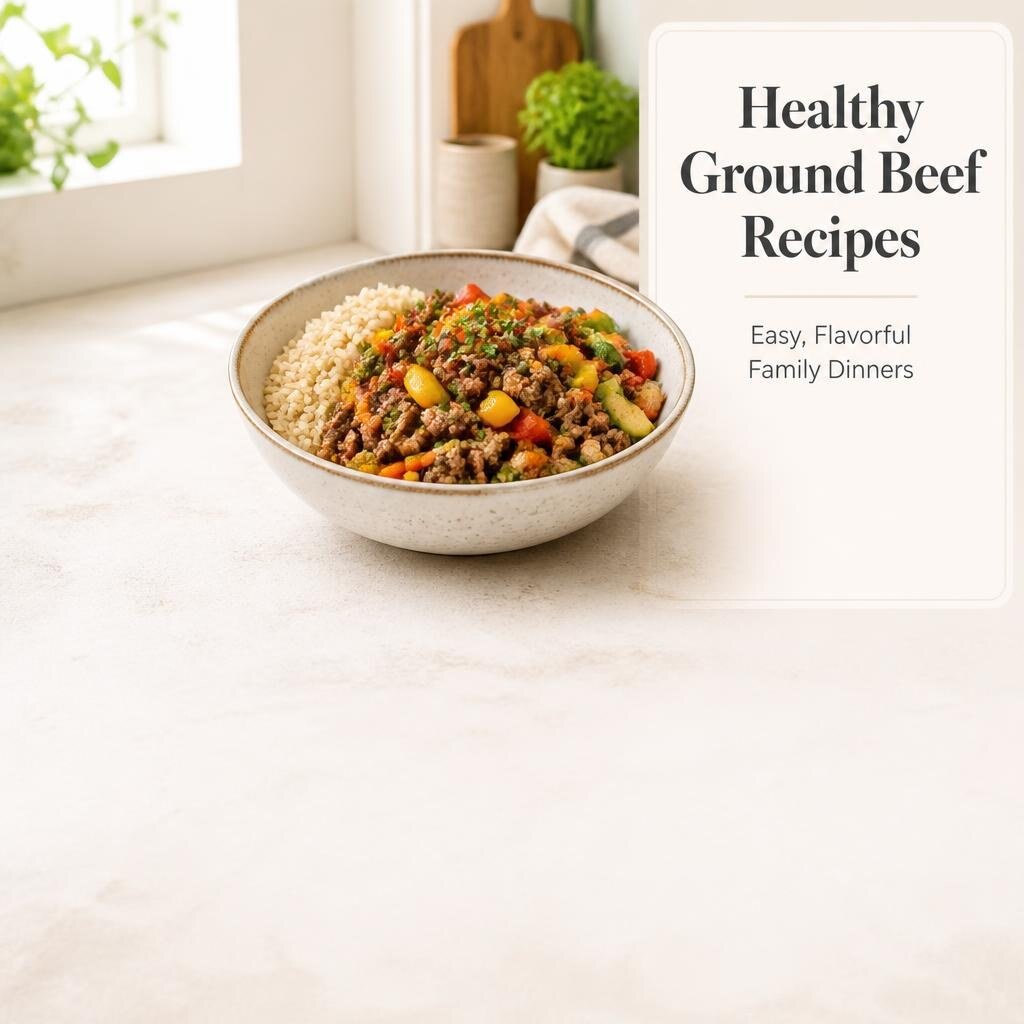
Finding healthy dinners that fit a busy schedule doesn’t have to mean sacrificing flavor or variety. With a package of ground beef and a few everyday ingredients, you can prepare satisfying meals that work for weeknight dinners, family gatherings, and meal prep. The best part? You don’t need complicated cooking techniques or expensive ingredients to make dinner enjoyable.
Healthy ground beef recipes offer plenty of flexibility, whether you’re craving a quick skillet, a comforting bowl of soup, a fresh rice bowl, or a cheesy casserole. Ground beef pairs well with vegetables, whole grains, beans, herbs, and flavorful sauces, making it easy to build meals around different tastes and nutritional needs.
Choosing lean ground beef, adding plenty of vegetables, and paying attention to sauces and portions can help create more balanced dinners. From Korean-inspired beef bowls to zucchini lasagna and homemade hamburger bowls, these ideas make it easier to put a delicious meal on the table without repeating the same recipes every week.
Why Ground Beef Works Well for Healthy Dinners
Ground beef is a practical ingredient for home cooking because it cooks relatively quickly and adapts to many different cuisines. You can use it in soups, pasta sauces, skillet meals, stuffed vegetables, casseroles, and homemade burgers. Since it absorbs seasonings and sauces easily, the same basic ingredient can create several completely different meals.
Beef also supplies protein, iron, zinc, and vitamin B12. Protein helps maintain and repair body tissues, while iron, zinc, and vitamin B12 support important functions throughout the body. Including ground beef in a varied diet can help you prepare satisfying meals with a range of nutrients.
Choose the Right Lean-to-Fat Ratio
The type of ground beef you choose can affect the flavor, texture, and fat content of your finished meal.
For everyday cooking, 90/10 or 93/7 ground beef can be useful choices. The first number represents the percentage of lean meat, while the second represents the percentage of fat. For example, 93/7 ground beef contains approximately 93% lean meat and 7% fat.
Lean ground beef works particularly well in rice bowls, vegetable skillets, tomato-based sauces, and soups. Because it contains less fat than regular ground beef, it may need a little extra moisture to keep the finished dish tender.
Extra-lean beef can also be a good option, but avoid cooking it longer than necessary. Adding broth, tomatoes, mushrooms, or other moisture-rich ingredients can help prevent dryness.
Build a Balanced Dinner Plate
A nutritious ground beef dinner doesn’t need to be complicated. Start with a suitable serving of beef, add vegetables, and choose a side that complements the recipe.
Brown rice, roasted potatoes, whole-grain pasta, beans, and whole-grain bread can all work well. For vegetables, try bell peppers, zucchini, carrots, mushrooms, kale, broccoli, or cauliflower.
For example, a Korean-inspired beef bowl can include brown rice, shredded carrots, cucumber, and green onions. A beef skillet might combine ground beef with mushrooms, peppers, and zucchini. These combinations add different flavors and textures while making the meal more varied.
Healthy Ground Beef Recipes for Busy Weeknights
When the evening schedule is packed, a simple recipe can make all the difference. These ground beef dinner ideas use familiar ingredients and straightforward cooking methods to help you prepare flavorful meals at home.
1. Macro-Friendly Ground Beef Philly Skillet
If you enjoy the classic flavors of a Philly cheesesteak, this skillet offers a convenient alternative to preparing individual sandwiches. Ground beef replaces the traditional sliced steak, while bell peppers, onions, garlic, and melted cheese create a familiar savory combination.
Start by heating a large skillet and browning lean ground beef. Break the meat into small pieces as it cooks, then add sliced bell peppers and onions. Cook until the vegetables soften, and stir in minced garlic, black pepper, and a small splash of beef broth.
Once the beef is cooked through and the vegetables are tender, sprinkle a moderate amount of provolone or mozzarella over the mixture. Cover the skillet briefly to help the cheese melt.
For a balanced dinner, serve the mixture over brown rice, alongside roasted potatoes, or with a fresh green salad. Mushrooms are another useful addition if you want more vegetables and a deeper savory flavor.
Why it works: The one-pan cooking method keeps preparation simple, and the recipe can be adjusted to suit different serving sizes. Prepare extra portions for lunch the following day.
2. Beef and Kale Soup With Vegetables
A warm bowl of beef and kale soup is a comforting option for chilly evenings. Lean ground beef creates a hearty base, while carrots, onions, garlic, and kale contribute flavor and texture. Broth brings everything together into a simple, satisfying meal.
Begin by browning the ground beef in a large soup pot. If necessary, drain excess fat according to your preference. Add diced onions and carrots, cooking until they begin to soften. Stir in minced garlic, dried thyme, black pepper, and your preferred herbs.
Pour in beef broth or a lower-sodium alternative, then let the mixture simmer until the carrots are nearly tender. Add chopped kale toward the end of cooking so the leaves soften without becoming overly mushy.
For a more substantial soup, stir in canned beans or a small portion of cooked brown rice. Taste the broth before adding extra salt, particularly if you’re using packaged stock.
Serve with whole-grain bread or a simple side salad. This recipe is also convenient for meal prep because the flavors develop as the soup rests.
3. Korean-Inspired Ground Beef Bowls
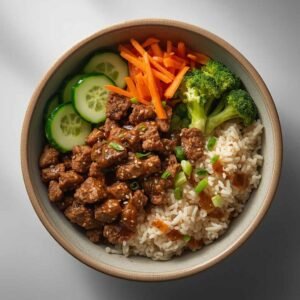
Korean-inspired ground beef bowls combine savory, slightly sweet, and gently spicy flavors in a quick weeknight dinner. Garlic, ginger, soy sauce, and sesame oil give the beef a flavorful coating, while fresh vegetables provide contrast.
Brown the ground beef in a skillet over medium-high heat, breaking it into small pieces. If there is excess fat, drain it as appropriate. Add minced garlic and grated ginger, stirring briefly until fragrant.
Mix in reduced-sodium soy sauce, a small amount of sesame oil, and a little brown sugar or honey if you prefer a sweeter sauce. Allow the mixture to simmer briefly so the flavors combine. Add chili flakes or sriracha for extra heat.
Serve over brown rice or another grain of your choice. Top each bowl with sliced cucumber, shredded carrots, steamed broccoli, and chopped green onions. A sprinkle of sesame seeds adds a finishing touch.
Meal prep tip: Store the cooked beef, rice, and vegetables in separate portions when practical. Add fresh cucumber and green onions after reheating to preserve their crisp texture.
4. Skillet Zucchini Lasagna
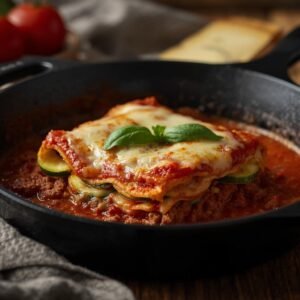
Skillet zucchini lasagna brings the comforting flavors of an Italian-inspired pasta dish into a simple stovetop meal. Ground beef, zucchini, tomato sauce, Italian herbs, and melted cheese create a satisfying combination without requiring traditional lasagna layers.
Heat a skillet and brown lean ground beef with chopped onion. Add minced garlic, Italian seasoning, and your favorite tomato sauce. Stir in sliced zucchini and simmer until the vegetables become tender but still retain some texture.
Sprinkle a moderate amount of mozzarella over the top and cover the skillet until the cheese melts. Fresh basil adds brightness and complements the tomato sauce.
For a vegetable-focused dinner, serve the skillet with a green salad. If you prefer a heartier meal, pair it with whole-grain pasta or a slice of whole-grain bread.
This recipe is particularly useful when you have zucchini to use up. You can also add mushrooms or chopped spinach for additional variety.
5. Ground Beef and Mushroom Skillet
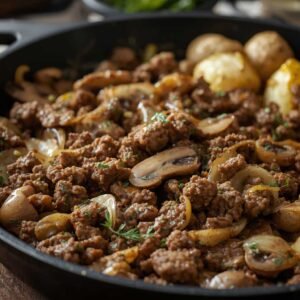
Ground beef and mushrooms make a flavorful combination for a straightforward dinner. Mushrooms develop a rich, savory taste as they cook, while onions, garlic, and herbs help build a delicious base.
Begin by browning ground beef in a large skillet. Add sliced mushrooms and diced onions, allowing the vegetables to release their moisture and soften. Continue cooking until excess liquid reduces and the mushrooms begin to brown.
Stir in minced garlic, black pepper, and dried thyme. Add a small amount of beef broth to create a light sauce, scraping up the browned bits from the bottom of the skillet.
For a creamy variation, remove the pan from direct heat and stir in a little plain Greek yogurt. Adding it gradually and avoiding boiling helps reduce the chance of separation.
Serve with roasted potatoes, brown rice, steamed broccoli, or green beans. The finished dish works well for a simple family dinner and can be adjusted with whatever vegetables you have available.
How to Make Ground Beef Meals More Nutritious
Small ingredient changes can make everyday ground beef meals more balanced without taking away their familiar flavors. Rather than eliminating every topping or sauce, focus on adding variety and choosing ingredients that complement the recipe.
Add More Colorful Vegetables
Vegetables bring flavor, texture, and variety to ground beef dinners. Bell peppers, carrots, mushrooms, zucchini, kale, spinach, and cauliflower can all be incorporated into different recipes.
For tomato-based sauces, try finely chopped mushrooms and grated carrots. They blend into the sauce while adding texture and natural sweetness. For skillet meals, larger pieces of zucchini and peppers provide a more noticeable bite.
Frozen vegetables are another convenient option. Broccoli, peas, spinach, and mixed vegetables can reduce preparation time and help you prepare dinner even when fresh produce is limited.
Try rotating vegetables throughout the week rather than relying on the same combination every night. This makes meal planning more interesting and gives you additional ways to use ingredients already in your refrigerator or freezer.
Pay Attention to Sauces and Toppings
Sauces can transform simple ground beef into a flavorful meal, but packaged products may contain more sodium or added sugar than you expect. Check the nutrition label when comparing options, especially if you use prepared sauces frequently.
Garlic, ginger, vinegar, lemon juice, black pepper, and fresh herbs are useful ways to add flavor. Reduced-sodium soy sauce and lower-sodium broth can also help you manage sodium intake.
For creamy dishes, a small amount of cheese or plain Greek yogurt may provide the texture you’re looking for. Fresh herbs, green onions, sliced vegetables, and a squeeze of citrus can finish a dish without requiring large amounts of additional toppings.
Choose Sides That Complement the Meal
The right side dish can turn a basic ground beef recipe into a more complete dinner. Brown rice, roasted potatoes, beans, whole-grain pasta, and vegetables all offer different textures and flavors.
For a rice bowl, combine beef with vegetables and a grain. For a mushroom skillet, serve the beef with roasted potatoes and steamed greens. For a tomato-based beef sauce, choose whole-grain pasta and a side salad.
Portion needs vary from person to person, so adjust the amount of beef, vegetables, and sides to suit your preferences and nutritional goals.
Use Safe Cooking and Storage Practices
Ground beef requires careful handling because grinding can distribute bacteria throughout the meat. According to the USDA, ground beef should reach an internal temperature of 160°F (71°C).
Use a food thermometer rather than relying on color alone. Keep raw beef separate from ready-to-eat foods, wash your hands after handling raw meat, and clean utensils and preparation surfaces thoroughly.
Refrigerate cooked food promptly in shallow, covered containers. These simple habits help reduce food-safety risks and make leftovers safer to enjoy.
For additional information, consult the USDA Food Safety and Inspection Service’s beef safety guide.
Easy Ground Beef Meal Prep Ideas
Preparing a few ingredients ahead of time can make weekday dinners much easier. Ground beef works particularly well for meal prep because a cooked batch can be divided among different dishes instead of being used for just one recipe.
Plan Your Meals Before Shopping
Choose two or three ground beef dinners for the upcoming week. Write down the ingredients required for each meal and check your refrigerator, freezer, and pantry before buying anything.
If several recipes use onions, garlic, mushrooms, or bell peppers, purchase enough to cover those meals. Shared ingredients help simplify grocery shopping and reduce the chance of unused produce going to waste.
You can also prepare certain ingredients ahead. Wash and chop vegetables, measure dry seasonings, and mix sauces when appropriate. Store prepared ingredients in clean, covered containers in the refrigerator.
Keep raw beef refrigerated until you’re ready to cook it. If freezing it, use freezer-safe packaging and label the package with the date. Thaw frozen ground beef in the refrigerator or by another USDA-recommended method rather than leaving it on the counter.
Turn One Batch Into Several Different Meals
A basic batch of cooked ground beef can become the foundation for multiple dinners. The key is to change the seasonings, vegetables, and sauces to create different flavor combinations.
For example, use garlic, ginger, and soy sauce for Korean-inspired bowls. Combine another portion with Italian herbs and tomato sauce for a pasta-style dinner. Mix a third portion with peppers, onions, and cheese for a Philly-inspired skillet.
You can also add seasoned ground beef to soup, stuff it into bell peppers, or use it in a casserole.
For the best flavor, add the finishing sauces and seasonings according to each recipe rather than giving every portion the same seasoning blend.
Store and Reheat Leftovers Correctly
Refrigerate cooked ground beef within two hours of cooking, or within one hour when the temperature is above 90°F (32°C). USDA guidance recommends using refrigerated leftovers within three to four days.
When reheating leftovers, heat them to 165°F (74°C) and check the temperature with a food thermometer. Stir the food as it heats to help distribute the heat evenly. A splash of broth or water can help restore moisture to beef that has become dry.
Freeze portions you won’t use within the recommended refrigerated storage period. Label each container with the contents and date, and thaw frozen leftovers safely before reheating.
More Healthy Ground Beef Dinner Ideas
Ground beef can be used for much more than burgers and spaghetti sauce. These additional meal ideas offer different ways to use a familiar ingredient while keeping preparation practical.
Ground Beef and Egg Breakfast Bowls
A ground beef and egg bowl can work for breakfast, brunch, or even a quick dinner. Cook lean ground beef with diced onions, bell peppers, garlic, and your preferred seasonings.
Serve the beef with cooked eggs and roasted potatoes. Add spinach, mushrooms, or tomatoes for more vegetables, then finish with chopped herbs or green onions.
Prepare the beef mixture ahead of time if you want to shorten your morning cooking routine. Cook the eggs fresh when possible for the best texture.
Healthy Hamburger Bowls
Hamburger bowls offer the familiar flavors of a classic burger without requiring a bun. Start with seasoned ground beef, then add chopped lettuce, tomato, sliced onion, pickles, and a little shredded cheese.
For a tangy sauce, combine plain Greek yogurt with mustard, vinegar, garlic powder, and a small amount of relish. Adjust the ingredients until the sauce suits your taste.
Serve the bowl as it is or add roasted potatoes for a more filling dinner. You can also use brown rice as the base if you prefer a grain bowl.
The ingredients are easy to customize, making this a practical option for households with different preferences.
Lighter Homemade Hamburger Helper
A homemade hamburger-style skillet offers a flexible alternative to a packaged pasta dinner. Ground beef, pasta, broth, seasonings, and a little cheese create a familiar comfort-food combination.
Brown the beef with chopped onions and garlic. Stir in uncooked pasta, broth, and your preferred seasonings, then simmer according to the pasta’s cooking instructions. Stir regularly to prevent sticking, adding more broth when necessary.
Mix in peas, chopped spinach, or mushrooms for extra variety. Finish with a moderate amount of cheese and adjust the seasoning before serving.
Cooking time depends on the pasta shape and the amount of liquid used. Check the pasta frequently and avoid allowing the skillet to become too dry.
Healthy Ground Beef Casseroles
Ground beef casseroles are useful for family dinners because they can be prepared in larger batches and divided into individual servings. They also provide plenty of opportunities to combine vegetables, grains, and flavorful sauces.
For a vegetable-rich casserole, brown lean ground beef with onions and garlic. Stir in zucchini, mushrooms, bell peppers, and tomato sauce, then transfer the mixture to a baking dish.
Add a modest layer of cheese and bake until the vegetables are tender and the casserole is heated throughout. If the recipe includes uncooked meat or other ingredients requiring additional cooking, follow the recipe’s full cooking instructions and check safe temperatures as appropriate.
You can also make casseroles with cooked brown rice, beans, or whole-grain pasta. Choose a combination that suits your household and the ingredients you already have available.
Tips for Better Ground Beef Flavor and Texture
Healthy cooking should still produce meals that taste delicious. Ground beef can become dry or bland if it is overcooked or poorly seasoned, but a few straightforward techniques can improve the final result.
Brown the Beef Properly
Allow the skillet to heat before adding the ground beef. Spread the meat across the pan and break it into smaller pieces as it cooks.
Avoid overcrowding the skillet. When too much meat is packed into one pan, moisture can accumulate and interfere with browning. If you’re cooking a large quantity, work in batches.
Let excess moisture evaporate before adding sauces or other ingredients when the recipe calls for browned beef. The browned bits left in the pan can also contribute flavor when you add broth or tomato sauce.
Season in Layers
Build flavor gradually rather than adding every seasoning at the end. Onions and garlic can be cooked early, while dried herbs can be added to sauces and soups during simmering.
Fresh herbs are often best stirred in near the end of cooking. Taste the dish before serving and adjust salt, pepper, or other seasonings in small amounts.
A little lemon juice or vinegar can brighten rich flavors. If you enjoy spicy food, add chili flakes or hot sauce gradually so the heat doesn’t overwhelm the other ingredients.
Keep Lean Ground Beef Moist
Lean beef can dry out if it remains on the heat too long. Cook it until it reaches the recommended safe internal temperature, then follow the recipe’s remaining steps without unnecessary prolonged cooking.
Broth, tomato sauce, mushrooms, and other moisture-rich vegetables can help maintain a tender texture. For skillet recipes, use enough liquid to coat the ingredients without making the finished dish watery.
For soups and sauces, a gentle simmer is usually more appropriate than prolonged aggressive boiling.
Experiment With Different Flavor Profiles
Ground beef takes on the character of the ingredients around it, making it useful for a wide range of cuisines.
Italian seasoning and tomato sauce work well for pasta-inspired meals. Garlic, ginger, and soy sauce create a Korean-inspired bowl. Bell peppers, onions, and melted cheese give a skillet a Philly-inspired flavor.
You can also use cumin, chili powder, and paprika for a Tex-Mex-inspired beef bowl or taco filling. Serve it with beans, vegetables, rice, or your preferred toppings.
Changing the seasonings is one of the simplest ways to make the same ingredient feel new again.
Planning Healthy Ground Beef Meals on a Budget
Ground beef can be a practical option for households trying to manage grocery expenses. A little planning helps you use ingredients efficiently, prepare multiple meals, and reduce food waste.
Plan Multiple Meals Around Shared Ingredients
Choose recipes that use overlapping ingredients. Onions, garlic, bell peppers, mushrooms, and tomato sauce can appear in several ground beef dinners without making the meals taste identical.
Rice can serve as a side for beef bowls, while broth can be used for soup and skillet sauces. Buying ingredients that work across several recipes can make grocery shopping more efficient.
Before heading to the store, check what you already have. Build your meal plan around pantry staples and vegetables that need to be used soon.
Keep Convenient Ingredients on Hand
Frozen vegetables, canned beans, rice, pasta, and canned tomatoes can help you prepare dinner when time is limited.
Compare nutrition labels when choosing packaged ingredients, particularly for sodium and added sugars. Rinsing canned beans can also help remove some of the sodium in the packing liquid.
You can divide ground beef into meal-sized portions before freezing it. Label each package with the date and amount so you can identify what you need without thawing the entire supply.
Balance Convenience With Homemade Flavor
Prepared sauces and seasoning blends can save time, but homemade combinations give you more control over ingredients.
A simple sauce made with broth, garlic, herbs, and a little reduced-sodium soy sauce can be used in several dishes. Tomato sauce with Italian herbs provides another convenient option.
You don’t have to prepare everything from scratch to make a useful home-cooked meal. Choose shortcuts that save time while keeping the ingredients and flavors suitable for your household.
Frequently Asked Questions
What Is the Best Ground Beef for Healthy Recipes?
Lean ground beef, such as 90/10 or 93/7, can be a practical choice for many lighter dinners. It provides protein while containing less fat than higher-fat blends.
Extra-lean beef is another option, although it can become dry if overcooked. The best choice depends on the recipe, personal preferences, and nutritional goals.
What Can I Make With One Pound of Ground Beef?
One pound of ground beef can be used for a skillet dinner, soup, rice bowls, tomato sauce, hamburger bowls, or a casserole. The number of servings depends on the recipe and the other ingredients included.
To stretch a batch across several meals, combine the beef with vegetables, beans, or grains. You can also divide cooked beef into portions and season each portion differently.
How Can I Make Ground Beef Meals Healthier?
Choose a suitable lean-to-fat ratio, add a variety of vegetables, and pay attention to the sauces and toppings you use. Pair the beef with vegetables, beans, potatoes, brown rice, or whole-grain pasta.
You can also use cooking methods such as browning, simmering, and baking to prepare a range of meals without relying on deep-frying.
Can I Prepare Ground Beef Recipes Ahead of Time?
Yes. Many ground beef dishes can be prepared ahead, including soups, tomato sauces, seasoned beef, and casseroles.
Refrigerate cooked food promptly and use refrigerated leftovers within three to four days. Reheat leftovers to 165°F (74°C), and freeze portions that won’t be used within the recommended storage period.
What Temperature Should Ground Beef Reach?
Ground beef should reach an internal temperature of 160°F (71°C), according to USDA food safety guidance.
Use a food thermometer rather than judging doneness by color. For leftovers, the recommended reheating temperature is 165°F (74°C).
What Vegetables Go Best With Ground Beef?
Bell peppers, onions, mushrooms, zucchini, carrots, spinach, kale, broccoli, and cauliflower all work well with ground beef.
Choose vegetables according to the dish you’re preparing. Mushrooms and carrots suit tomato sauces, zucchini and peppers work well in skillets, and kale or spinach can be added to soups.
Are Ground Beef Bowls Good for Meal Prep?
Ground beef bowls can be convenient for meal prep because the beef, grains, and vegetables can be prepared in advance and portioned into containers.
Store components separately when practical, especially fresh toppings such as cucumber and lettuce. Refrigerate promptly and follow recommended storage and reheating temperatures.
Conclusion
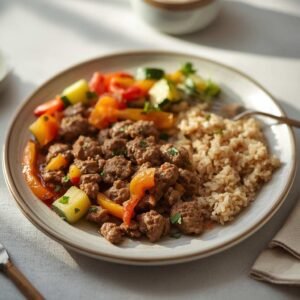
Healthy ground beef recipes can make family dinners easier, more varied, and full of flavor. From Korean-inspired beef bowls and mushroom skillets to zucchini lasagna, vegetable soup, and homemade hamburger bowls, there are plenty of ways to turn a simple package of ground beef into a satisfying meal.
Start with ingredients you enjoy, add a variety of vegetables, and choose sides that complement each recipe. Preparing a few ingredients ahead of time can also help you get dinner on the table faster during busy weekdays.
Whether you’re looking for a quick skillet, a comforting casserole, or practical meal prep ideas, ground beef offers the flexibility to create meals for different tastes and schedules.
For more recipe inspiration, explore FoodSee and discover ideas to make your weekly dinner routine easier and more enjoyable.