
 Foodsee.online

Deviled eggs bring a familiar touch to American parties, holiday dinners, and weekend brunches. Their creamy centers and lightly seasoned flavor make them easy to serve and enjoy. Best of all, this appetizer needs only a handful of everyday ingredients. Even a beginner can prepare a beautiful platter without special cooking equipment or complicated techniques.
The secret is getting the texture right. Eggs that are difficult to peel can leave damaged whites, while a thick filling may taste dry. Fortunately, a few simple steps can prevent these problems. This guide explains how to cook the eggs, prepare a smooth filling, and add a flavorful finish. The result is a dependable appetizer for family gatherings and special occasions.
Ingredients for Classic Deviled Eggs
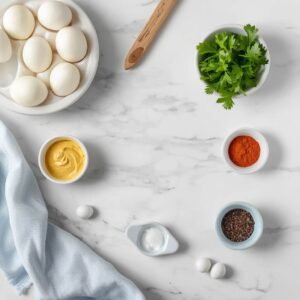
What Goes Into the Recipe?
This small-batch recipe makes six egg halves from three large eggs. Mayonnaise gives the filling its creamy texture, while Dijon mustard adds a mild tang. A little salt and black pepper balance the flavor. Paprika and parsley complete the dish with color and a fresh finish.
Ingredients
- 3 large eggs
- 1 tablespoon mayonnaise
- 1½ teaspoons Dijon mustard
- Salt, as needed
- Black pepper, as needed
- Paprika, for topping
- Fresh parsley, for garnish
Each ingredient has a simple purpose. The yolks create the base, and mayonnaise helps bind everything together. Meanwhile, Dijon mustard adds character without overpowering the eggs. Start with the listed quantities, then adjust the seasoning after mixing. This approach keeps the filling balanced and makes the recipe easy to repeat.
How to Make Deviled Egg Filling
Step 1: Cook the Eggs
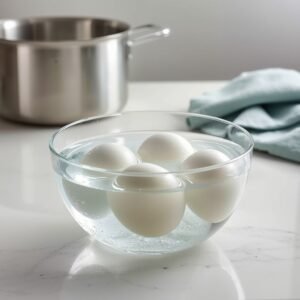
Place the eggs in a saucepan and add enough cold water to cover them by about half an inch. Bring the water to a boil over medium-high heat. Once it boils, turn off the heat and cover the pan. Let large eggs stand in the hot water for approximately 12 minutes, following this recipe’s cooking method.
Cooking results may vary with egg size and equipment. Therefore, use a consistent method and check that the yolks are fully set. When the cooking time ends, transfer the eggs carefully into a bowl of ice water. This cools them quickly and makes them easier to handle. Properly cooked yolks also provide a firmer base for a smooth deviled egg filling.
Step 2: Peel and Cut the Eggs
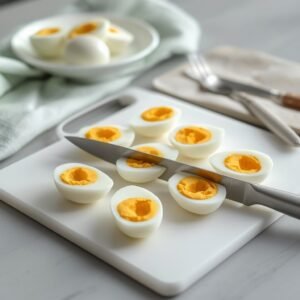
Let the eggs cool completely before peeling them. Gently tap each shell against a hard surface, then remove it in small pieces. If the shell sticks, try peeling the egg under cold running water. Once the shells are removed, rinse away any tiny fragments and pat the eggs dry with a paper towel.
Next, place each egg on a cutting board and slice it lengthwise. Use a sharp knife to create two even halves. Carefully lift out the yolks and place them in a bowl. Arrange the whites on a serving plate while preparing the filling. Handle them gently because smooth, unbroken whites create a neater presentation.
Step 3: Mix the Creamy Center
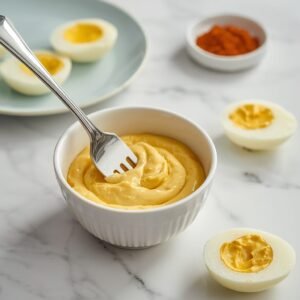
Mash the yolks with a fork until the larger pieces disappear. Add the mayonnaise and Dijon mustard, then stir until the mixture looks creamy. Season with salt and black pepper. Continue mixing until the ingredients are evenly combined and the filling has a soft consistency.
Avoid adding extra mayonnaise too quickly. A filling that becomes too loose may slide out of the egg whites. Instead, begin with the measured amount and adjust only if necessary. For an especially smooth texture, press the yolks against the side of the bowl while mixing. Taste the mixture before filling the eggs, and make small seasoning adjustments as needed.
Step 4: Fill and Decorate
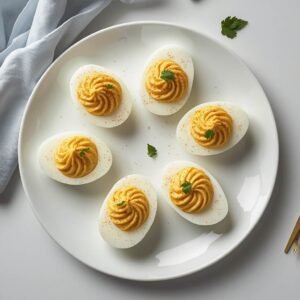
Divide the filling evenly among the six egg-white halves. A teaspoon works well for a casual presentation. For a more decorative look, use a piping bag fitted with a star-shaped nozzle. Either method works, so the choice depends on the occasion and available equipment.
Finish each half with a light dusting of paprika. Add a small amount of chopped parsley if desired. These toppings provide color without hiding the creamy center. Finally, cover the eggs and refrigerate them until serving. This final step helps keep the appetizer chilled and ready for the table.
Tips for Perfect Hard-Boiled Eggs
Make Peeling Easier
Peeling is often the most frustrating part of preparing deviled eggs. Cooling the eggs thoroughly can help, especially when an ice bath is used immediately after cooking. Remove the shell gently rather than pulling away large pieces at once. Although some eggs peel more easily than others, careful handling helps protect the whites.
People searching for how to cook a hard boiled egg often want firm yolks without damaged whites. For this recipe, consistency matters more than using complicated equipment. Choose eggs of similar size, follow the same cooking method, and cool them promptly. Once peeled, dry each egg before cutting it. This small detail prevents excess water from affecting the filling.
Prevent Dry or Overcooked Yolks
Egg yolks should be firm enough to mash but should not have a strongly overcooked texture. Excessive cooking can create a greenish ring around the yolk. Although this discoloration alone does not necessarily indicate spoilage, it can affect the finished appearance. Following a consistent cooking time and cooling the eggs promptly can help reduce the problem.
The phrase boil egg time may appear simple, but the best timing depends on egg size and the cooking method. For this recipe, the eggs rest in covered hot water for about 12 minutes after the water boils and the heat is switched off. Afterward, cold water stops the cooking process. These steps help produce yolks that are easy to mash and mix.
Easy Ways to Change the Flavor
Add Heat With Simple Seasonings
The classic mixture tastes delicious without extra ingredients. However, a little spice can create a different flavor profile. Cayenne pepper adds heat, while paprika gives the eggs a colorful finish. For a stronger kick, mix a small amount of Sriracha into the yolk mixture. Add it gradually because too much can overpower the mild egg flavor.
Chopped spicy pickles offer another option. They bring a tangy taste and a little texture to the filling. Mix them in finely so the mixture remains easy to spoon into the whites. These additions are optional, so the original recipe remains suitable for guests who prefer milder food. A few small changes can make the same appetizer feel different at each gathering.
Choose a Simple Garnish
Fresh parsley gives deviled eggs a clean, herbal finish. Chives or thinly sliced green onions can also work when a sharper flavor is preferred. For a traditional appearance, paprika alone is enough. Keep the topping light and evenly distributed so each half looks inviting.
Add delicate herbs close to serving time for the freshest appearance. Meanwhile, avoid piling too many toppings onto the filling. The yolk mixture should remain the main feature. A simple presentation often works best for holiday platters, brunch tables, and casual get-togethers.
Storage and Serving Suggestions
Keep Deviled Eggs Properly Chilled
Because this recipe contains cooked eggs and mayonnaise, refrigeration is important. Store prepared deviled eggs in a covered container at 40°F or below. Refrigerate them promptly rather than leaving them on the counter. For more detailed handling guidance, consult the USDA Food Safety and Inspection Service.
When serving outdoors, use a cooler with ice or cold packs. Bring out smaller portions and replace them as needed. This helps keep the remaining eggs cold during a long gathering. It also prevents the filling from becoming soft in warm conditions. Good storage habits make the appetizer easier to serve safely.
Plan a Balanced Appetizer Platter
Deviled eggs fit naturally into an American party spread. Serve them with fresh vegetables, crackers, sandwiches, or a crisp green salad. They also complement a brunch menu with toast and fruit. Since the filling is rich, lighter side dishes provide a pleasant contrast.
For a larger gathering, prepare the eggs before arranging the rest of the food. Keep them covered in the refrigerator until guests are ready to eat. If the menu includes other homemade dishes, a separate project such as making Greek yogurt at home can offer another kitchen activity. However, this deviled egg recipe keeps its traditional mayonnaise-based filling.
Common Mistakes to Avoid
Do Not Make the Filling Too Runny
Adding too much mayonnaise can leave the mixture loose and difficult to shape. Measure the ingredients first, then mix them into the mashed yolks. If the filling seems too thick, add only a tiny amount of mayonnaise at a time. This helps maintain a creamy texture without making the mixture watery.
Large pieces of yolk can also make the filling uneven. Mash the yolks thoroughly before adding the other ingredients. Then stir until the mustard and mayonnaise are evenly distributed. These simple steps create a filling that is easier to pipe or spoon into the egg whites.
Avoid Messy Egg Halves
A dull knife can tear the whites and leave rough edges. Use a sharp knife and wipe it clean between cuts. Then remove the yolks gently to prevent cracks. If an egg half rocks on the plate, a tiny trim from its rounded underside can help it sit flat.
For a neat finish, distribute the filling evenly across all six halves. Wipe away any smears before adding the garnish. Finally, refrigerate the assembled eggs in a covered container. These small details improve the presentation without adding unnecessary work.
Frequently Asked Questions
How Long Should Eggs Cook for Deviled Eggs?
This recipe uses approximately 12 minutes in covered hot water after the water boils and the heat is turned off. The eggs are then cooled in cold or ice water. Results may vary depending on egg size and equipment, so check that the yolks are fully set before preparing the filling.
Can Deviled Eggs Be Prepared in Advance?
Yes, they can be prepared ahead of a gathering. For the neatest result, cook and peel the eggs, then store the whites and filling separately in covered containers in the refrigerator. Assemble them closer to serving time. Keep them chilled throughout storage and serving.
Why Is There a Green Ring Around the Yolk?
A greenish ring can develop when eggs are cooked too long or at excessive heat. It results from a reaction between compounds in the egg white and yolk. The color alone does not necessarily mean the egg is spoiled. Consistent cooking and prompt cooling help reduce this effect.
What Can Replace Dijon Mustard?
Yellow mustard is a practical alternative, although its flavor differs slightly from Dijon. Start with a small amount and adjust to taste. The filling should remain balanced, with the mustard adding tang without overpowering the yolks and mayonnaise.
How Can Deviled Eggs Be Made Spicy?
Add a small amount of cayenne pepper, Sriracha, or finely chopped spicy pickles. Mix thoroughly and taste before adding more. A light sprinkle of paprika also adds color. Gradual adjustments help preserve the creamy texture and prevent excessive heat.
Conclusion
Classic deviled eggs are an easy appetizer made with familiar ingredients and straightforward steps. Properly cooked eggs, smooth yolks, mayonnaise, and Dijon mustard create the traditional filling. Paprika and parsley provide a simple finish, while optional spices allow small flavor changes. With careful peeling and even filling, the finished eggs look appealing on almost any party table.
For the best results, follow the cooking and cooling steps carefully, then adjust the seasonings to taste. Prepare a batch for the next family gathering, holiday meal, or weekend brunch. Save this recipe so it is ready whenever a simple homemade appetizer is needed.