
 Foodsee.online
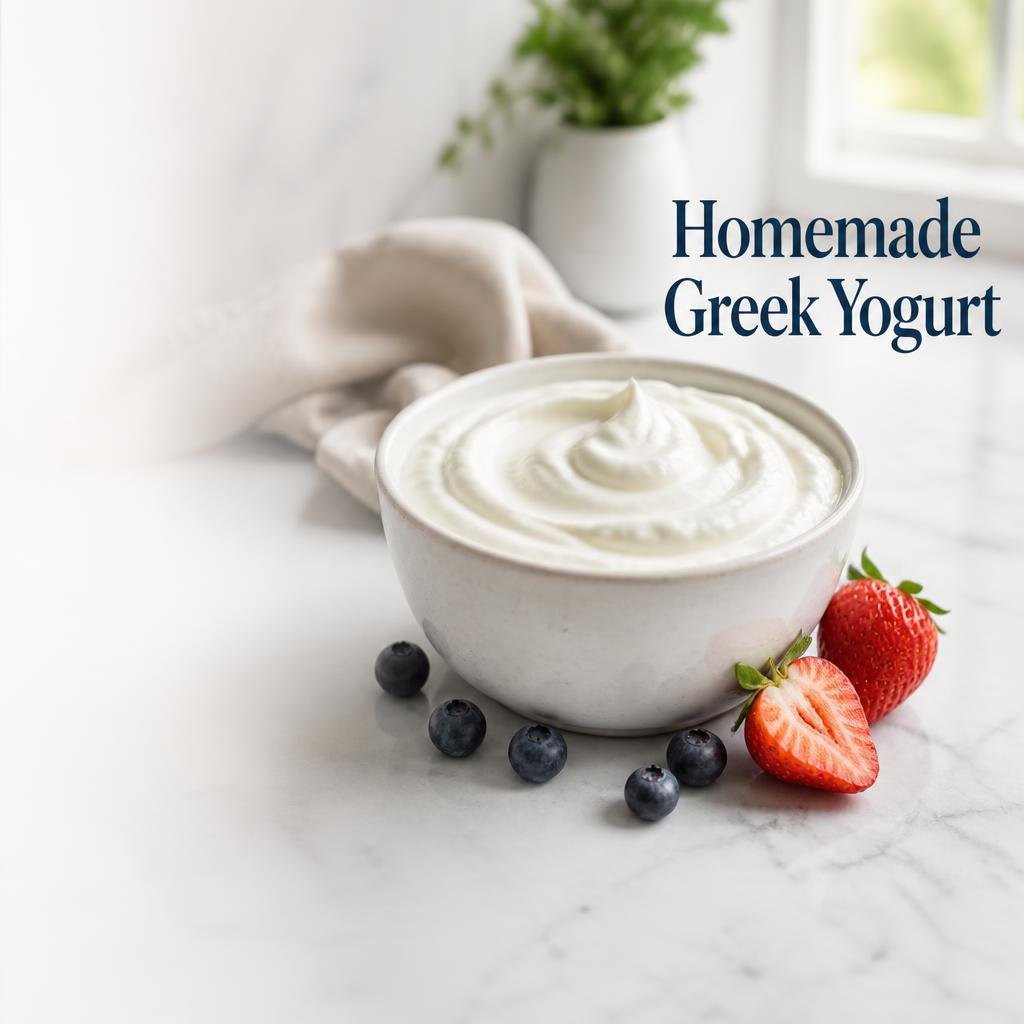
Homemade Greek Yogurt Can Be Easier Than It Looks
Making thick yogurt at home can seem complicated at first. Many people expect special equipment or difficult techniques. However, the basic process uses simple ingredients and a little patience. Once the method becomes familiar, homemade yogurt can become a practical kitchen staple.
Store-bought Greek yogurt is convenient, but homemade yogurt gives cooks more control. The thickness, tanginess, and final texture can be adjusted during preparation. Most importantly, the process can turn ordinary milk into a creamy ingredient for breakfasts, sauces, baking, and desserts.
Why Learning How to Make Greek Yogurt at Home Is Worthwhile
The biggest challenge is usually getting the texture right. Regular homemade yogurt can sometimes turn out thinner than expected. It may also contain extra liquid after fermentation. That does not necessarily mean the yogurt failed.
The solution is usually straining. Straining removes some of the liquid whey and leaves behind a thicker yogurt. Therefore, anyone learning how to make greek yogurt at home should understand fermentation and straining as two separate stages.
What Makes Greek Yogurt Different?
Greek yogurt is essentially yogurt that has been strained to remove part of its whey. This extra step gives it a thicker consistency than ordinary yogurt. The finished product can range from soft and creamy to very thick, depending on how long it is strained.
This difference also makes Greek yogurt useful in many recipes. It can work as a breakfast food, dip, sauce, marinade, baking ingredient, or dessert base. For that reason, homemade yogurt can become more versatile than a single-purpose ingredient.
Ingredients Needed for Homemade Greek Yogurt
Whole Milk Gives a Richer Result
Milk forms the main ingredient in homemade yogurt. Whole milk usually creates a richer and creamier result. However, lower-fat milk can also be used when a lighter yogurt is preferred.
Some cooks choose whole milk Greek yogurt because it has a fuller mouthfeel. Others prefer non fat yogurt, nonfat Greek yogurt, or fat free greek yogurt. The choice depends on the desired texture and taste.
Yogurt Starter Provides the Culture
A small amount of plain yogurt can provide the live cultures needed for fermentation. This is often called a yogurt starter. A starter should contain active cultures and should have a clean, mild flavor.
A homemade yogurt batch can also become the starter for a future batch. However, using a fresh starter periodically can help maintain consistent results.
How to Make Greek Yogurt at Home
Step 1: Heat the Milk
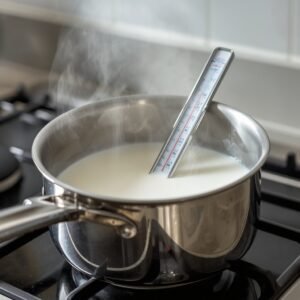
The milk should first be heated thoroughly. Heating helps prepare the milk proteins for the thicker texture associated with yogurt.
A kitchen thermometer makes this stage easier because temperature matters. The milk should be heated according to the chosen yogurt method, rather than simply warmed until it feels hot.
Step 2: Let the Milk Cool
After heating, the milk needs time to cool before the starter is added. Adding yogurt culture while the milk is excessively hot can interfere with fermentation.
Therefore, a thermometer is useful again. The goal is to reach an appropriate warm temperature before introducing the starter.
Step 3: Mix in the Yogurt Starter
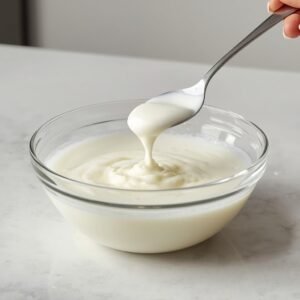
A small amount of starter is mixed with the warm milk. The mixture should be stirred gently until the starter is distributed evenly.
At this stage, the mixture may still look like ordinary milk. That is completely normal. The yogurt develops its familiar consistency during the fermentation period.
Step 4: Allow the Yogurt to Ferment
The mixture should remain warm and undisturbed while the cultures work. The fermentation period can vary according to temperature, starter strength, and personal taste.
A longer fermentation can produce a more pronounced tang. Meanwhile, a shorter fermentation may create a milder flavor. Once the yogurt has set, it can be chilled before straining.
Step 5: Chill the Yogurt
Cooling the yogurt helps firm its texture. It also makes the mixture easier to handle during straining.
The yogurt can be transferred to the refrigerator after fermentation. Chilling it before straining is especially useful when a cleaner, thicker texture is desired.
How to Turn Regular Yogurt Into Greek Yogurt
Straining Removes Excess Whey
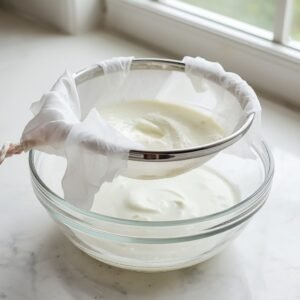
The defining step is straining. A fine-mesh strainer lined with suitable cloth can separate the thicker yogurt from the liquid whey.
The longer the yogurt drains, the thicker it becomes. Therefore, cooks can control the final consistency instead of relying on a fixed texture.
Thick Yogurt Needs More Straining
For a spoonable breakfast yogurt, a moderate draining period may be enough. For an extremely thick consistency, additional straining may be necessary.
Some homemade yogurt becomes thick enough to resemble soft cream cheese. This makes greek yogurt cream cheese an interesting alternative for certain spreads and recipes.
Common Homemade Greek Yogurt Problems
Why Does Homemade Yogurt Stay Thin?
Thin yogurt can happen for several reasons. The milk may not have been heated properly, the culture may have been weak, or fermentation may not have been long enough.
However, thin yogurt can often still be rescued. Straining removes excess whey and can significantly improve the final consistency.
Why Does Yogurt Become Too Tangy?
A stronger sour flavor often develops when yogurt ferments for a longer period. Temperature can also influence the final flavor.
If a milder taste is preferred, the fermentation period can be adjusted. The finished yogurt can also be mixed with fruit, honey, or other ingredients.
Why Is There Liquid on Top?
The liquid is whey. It can appear naturally as yogurt settles or during storage. Therefore, liquid on the surface does not automatically mean the yogurt has spoiled.
The whey can be stirred back into the yogurt or drained away when a thicker texture is preferred.
Greek Yogurt for Breakfast
Greek Yogurt and Oatmeal

Greek yogurt works especially well with oats. It can be mixed into oatmeal after cooking for a creamy texture.
Another option is overnight oats with yogurt recipe combinations. The basic overnight oats ratio can be adjusted depending on whether a thicker or softer result is preferred.
Overnight Oats With Yogurt
For homemade overnight oats, yogurt can be combined with oats, milk, fruit, seeds, and other toppings. Homemade overnight oats are easy to customize for different flavors.
Anyone wondering what oats to use for overnight oats can choose rolled oats for a classic texture. Meanwhile, quick oats create a softer mixture.
Yogurt Bowls
A yogurt bowl can combine Greek yogurt with berries, sliced fruit, nuts, seeds, or granola. Strawberry yogurt can also be used for a fruit-forward version.
Strawberry greek yogurt works particularly well with fresh strawberries and crunchy toppings.
Greek Yogurt as a Baking Ingredient
Greek Yogurt Recipes for Baking
Greek yogurt recipes are not limited to breakfast. Its creamy consistency makes it useful in cakes, muffins, quick breads, and other baked foods.
Food recipes with greek yogurt can also benefit from the moisture and tang provided by yogurt. The exact result depends on the recipe and the amount used.
Replacing Cream Cheese With Greek Yogurt
Some recipes can use Greek yogurt instead of cream cheese. However, the substitution changes the texture and flavor.
Cream cheese greek yogurt substitute combinations work best when the recipe can tolerate a lighter, tangier ingredient.
Replacing Heavy Cream
Greek yogurt can sometimes replace part of the cream in sauces and baked dishes. However, it should not automatically replace heavy cream in every recipe.
People often search for what to substitute for cream, healthy substitute for heavy cream, or what can i use instead of heavy cream. Greek yogurt can be one option when the recipe supports it.
Understanding Half-and-Half Substitutions
Half-and-Half and Heavy Cream
Half and half cream has less fat than heavy cream. Therefore, the two ingredients do not always behave identically during cooking.
Searches such as half and half vs heavy cream and can heavy cream substitute half and half usually relate to differences in richness and consistency.
Using Yogurt in Place of Cream
Greek yogurt can provide creaminess without being identical to heavy cream. It is especially useful in recipes where some tang is welcome.
For this reason, yogurt can sometimes be used alongside milk, cream, or half-and-half rather than replacing them completely.
Greek Yogurt Dips and Sauces

A creamy Greek yogurt dip pairs well with fresh vegetables and pita bread.
Greek Yogurt Dip Recipes
Greek yogurt makes a convenient base for dips. Herbs, garlic, lemon, spices, and vegetables can transform plain yogurt into a flavorful snack.
A yogurt dip can be served with crackers, bread, roasted vegetables, or fresh produce. It also works well as a simple party appetizer.
Greek Yogurt Dipping Sauce
A greek yogurt dipping sauce can be adjusted with herbs, citrus, spices, or garlic. This makes it easy to create different flavor profiles from the same yogurt base.
A greek yogurt dipping sauce for veggies is especially useful when serving carrots, cucumbers, peppers, or celery.
Tzatziki Sauce for Gyros
Tzatziki sauce for gyros traditionally combines yogurt with ingredients such as cucumber, garlic, herbs, and lemon. Thick homemade Greek yogurt works particularly well because it helps create a creamy sauce.
The same basic mixture can also be served alongside grilled meats, roasted vegetables, or flatbread.
Greek Yogurt for Chicken Recipes
Yogurt Marinade for Chicken
Yogurt can form the base of a flavorful marinade. A yogurt marinade for chicken may include garlic, lemon, herbs, spices, and oil.
A greek chicken marinade yogurt mixture can help coat chicken evenly before cooking. The marinade can also carry herbs and spices across the surface of the meat.
Greek Yogurt Chicken
Greek yogurt chicken recipes can include grilled chicken, roasted chicken, wraps, bowls, and skewers. The yogurt can be used either as a marinade or as a finishing sauce.
Greek yogurt marinated chicken is particularly useful for cooks who want a flavorful preparation with a creamy marinade base.
Greek Yogurt as a Frozen Dessert
Can You Freeze Greek Yogurt?
Yes, Greek yogurt can be frozen. However, freezing changes its texture. After thawing, the yogurt may become less smooth or slightly separated.
Therefore, frozen greek yogurt is often better suited to smoothies, frozen desserts, or recipes where the original texture is less important.
Can Yogurt Be Frozen?
The same principle applies to regular yogurt. People frequently ask can you freeze yogurt, can yogurt be frozen, and can i freeze yogurt.
The answer is generally yes, although the result after thawing depends on the yogurt type and how it will be used.
How to Make Froyo
Frozen yogurt can be made by combining yogurt with fruit, sweeteners, or other flavors. A homemade version can be churned or frozen using an appropriate method.
The question of what is frozen yogurt often comes down to its yogurt-based frozen dessert format. Greek yogurt can provide a thicker starting point for homemade froyo.
Sweet Greek Yogurt Ideas
Greek Yogurt Desserts
Greek yogurt can become the base for simple desserts. Fresh fruit, cocoa, honey, vanilla, nuts, and melted chocolate can create different combinations.
Greek yogurt desserts can include chilled cups, parfaits, frozen treats, and creamy fruit mixtures.
Chocolate Yogurt
Chocolate yogurt can be prepared by combining plain Greek yogurt with cocoa and a sweetener. The amount can be adjusted according to taste.
This approach provides a quick dessert without requiring complicated baking equipment.
Pudding Recipes
Greek yogurt can also appear alongside pudding recipes. It can be layered with pudding, fruit, granola, or crushed cookies.
Pudding desserts can therefore become more interesting when creamy yogurt is added as one of the layers.
Other Yogurt Varieties and Ingredients
Whole Yogurt and Whole-Milk Yogurt
Whole yogurt generally provides a richer mouthfeel than reduced-fat varieties. Whole fat greek yogurt can therefore be useful when a creamy texture is the priority.
Whole milk Greek yogurt is another common option for people who prefer richer yogurt.
Unsweetened Yogurt
Unsweetened yogurt is particularly useful for cooking. It allows the cook to control the sweetness of sauces, marinades, dips, and desserts.
It also works well when a recipe already contains fruit, honey, maple syrup, or another sweet ingredient.
Fermented Yogurt
Yogurt is a fermented dairy food created when suitable cultures transform milk during controlled fermentation.
The fermentation process is responsible for the familiar tangy flavor and characteristic yogurt texture.
Can Greek Yogurt Be Used Instead of Other Ingredients?
Greek Yogurt Substitute
Greek yogurt can sometimes serve as a substitute for other creamy ingredients. However, the best replacement depends on the recipe.
People often search for greek yogurt substitute when they need an alternative. Depending on the dish, plain yogurt, sour cream, cottage cheese, or another suitable ingredient may work.
Cottage Cheese vs Greek Yogurt
Cottage cheese vs greek yogurt comparisons usually focus on texture, flavor, and how each ingredient behaves in recipes.
Whipped cottage cheese can provide a smooth texture when blended. Meanwhile, Greek yogurt naturally offers a tangier and more spoonable consistency.
Whipped Yogurt
Whipped yogurt can be made by incorporating air into yogurt or blending it with other ingredients. The result can be lighter than standard yogurt.
Fluffy yogurt can work well in dessert cups, breakfast bowls, and fruit-based snacks.
Yogurt, Soy Milk, and Plant-Based Alternatives
How to Make Soy Milk
Soy milk is made differently from dairy yogurt. It begins with soybeans rather than cow’s milk.
People searching how to make soy milk may be interested in plant-based alternatives. Soy milk can also be used as a starting liquid for certain dairy-free yogurt preparations.
Soy Milk Recipe
A basic soy milk recipe involves soaking, blending, cooking, and straining soybeans. However, plant-based yogurt fermentation requires a suitable culture and method.
Therefore, soy yogurt should be treated as a separate preparation rather than a direct version of traditional Greek yogurt.
Coconut-Based Ingredients
Coconut Cream Recipes
Coconut cream has a rich texture and is common in desserts and savory dishes. Coconut cream recipes can include curries, puddings, sauces, and frozen desserts.
Although coconut cream and Greek yogurt are different ingredients, both can contribute creaminess to certain recipes.
Cream of Coconut Recipes
Cream of coconut is sweetened and should not be treated as the same ingredient as plain coconut cream.
Cream of coconut recipes are usually designed around its sweetness and rich coconut flavor.
Hummus and Yogurt Pairings
Hummus From Dried Chickpeas
Hummus from dried chickpeas is another homemade preparation that pairs well with yogurt-based sauces.
Dried chickpeas can be cooked until tender before blending them with traditional hummus ingredients.
What Does Hummus Taste Like?
Hummus generally has a creamy texture with savory, nutty, earthy, and slightly tangy notes. Its exact flavor depends on ingredients such as tahini, lemon, garlic, and seasoning.
Greek yogurt can be served beside hummus as part of a snack platter or Mediterranean-inspired meal.
Greek Yogurt Brands and Store-Bought Options
Greek Gods Yogurt
Greek Gods yogurt is one example of a commercially available Greek-style yogurt brand. Store-bought options can be convenient when homemade preparation is not practical.
However, homemade yogurt allows more control over thickness, fermentation, and flavor.
How to Store Homemade Greek Yogurt
Keep Yogurt Refrigerated
Homemade yogurt should be refrigerated after fermentation. A clean, covered container helps protect the yogurt during storage.
The refrigerator should remain at a safe temperature, and clean utensils should be used whenever yogurt is served.
How Long Can Yogurt Sit Out?
Yogurt should not be left at room temperature for extended periods. The safe handling period depends on temperature and food-safety conditions.
Therefore, yogurt should be returned to refrigeration promptly after serving, especially in a warm kitchen.
Frequently Asked Questions About Homemade Greek Yogurt
How Is Greek Yogurt Made?
Greek yogurt starts as regular yogurt. After fermentation, the yogurt is strained to remove some whey. This creates the thicker consistency associated with Greek yogurt.
How to Make Yogurt in an Instant Pot?
An Instant Pot can simplify temperature control and incubation for homemade yogurt. The exact process depends on the appliance model and its yogurt function.
People may also search for instant pot yogurt recipe, yogurt recipe instant pot, instant pot greek yogurt, instapot yogurt, or how to make yogurt with instant pot.
Can Homemade Yogurt Become Very Thick?
Yes. Longer straining generally removes more whey and creates a thicker product. The final texture can therefore be adjusted according to personal preference.
Can Greek Yogurt Replace Sour Cream?
In some recipes, plain Greek yogurt can replace sour cream. However, the flavor and consistency may change slightly.
Can Yogurt Be Used in Desserts?
Yes. Greek yogurt works in parfaits, chilled desserts, frozen treats, chocolate yogurt, fruit bowls, and many other sweet preparations.
Final Thoughts on Homemade Greek Yogurt
Homemade Greek yogurt gives cooks a flexible ingredient that can move between breakfast, baking, sauces, dips, marinades, and desserts. The basic process becomes easier once the key stages are understood.
The most important lesson is that thickness can be controlled. Proper heating, fermentation, chilling, and straining each contribute to the final result. With practice, homemade yogurt can become a reliable ingredient for everyday recipes.
For more practical food ideas and homemade recipe inspiration, readers can explore healthy recipes. A simple batch of yogurt can also become the starting point for many creative meals.
Ready to Make Homemade Greek Yogurt?
Instead of relying only on store-bought yogurt, home cooks can try making a batch themselves. Once the basic technique becomes familiar, the same yogurt can be transformed into breakfast bowls, dips, sauces, marinades, baked treats, and frozen desserts.