 Foodsee.online
Why Mushrooms Can Make Pizza Feel Flat
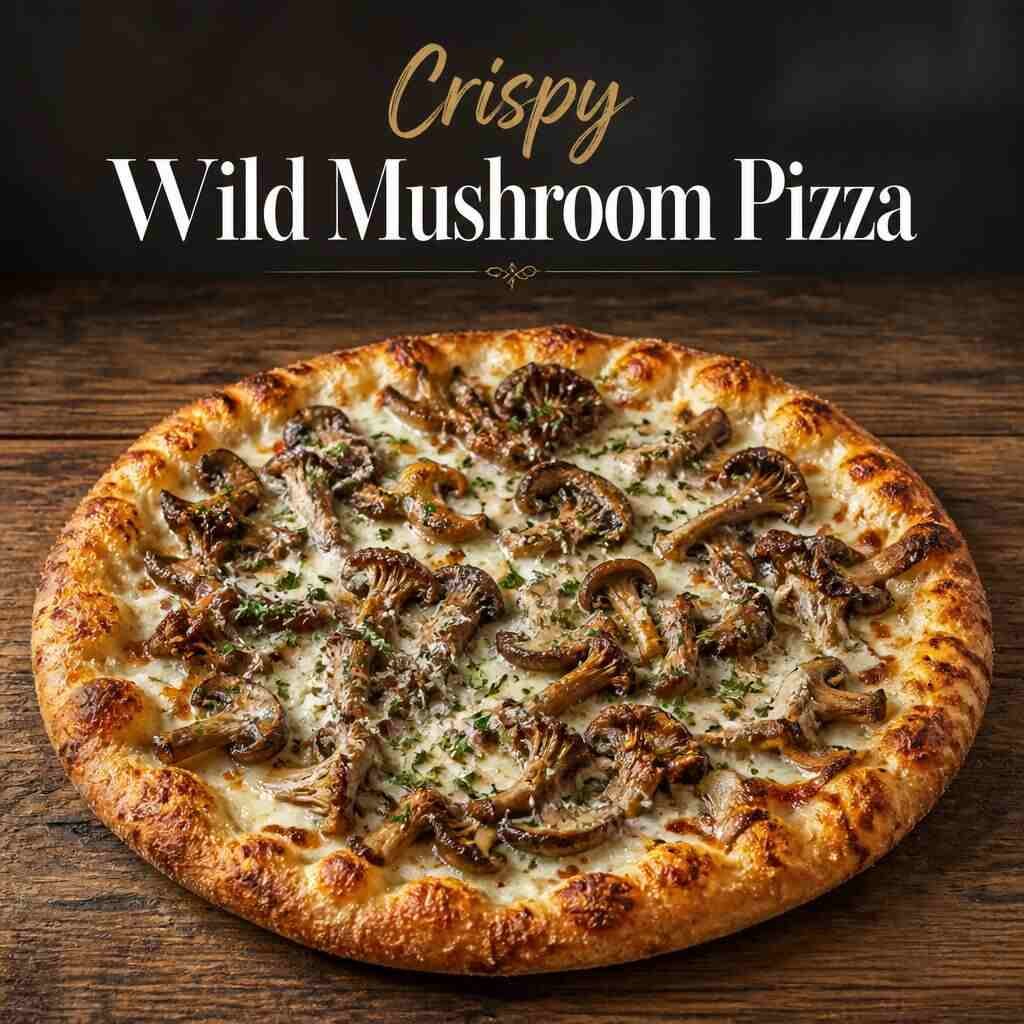
Many homemade pizzas become heavy because the toppings release too much moisture. Mushrooms can cause that problem when they go straight onto raw dough. They may steam instead of becoming crisp. As a result, the crust can lose its texture. This mushroom pizza solves that issue with a simple cooking method. The mushrooms are browned first, then layered over dough with cheese, garlic, olive oil, and fresh herbs. The result is earthy, crisp, and deeply savory.
A Better Way to Build Mushroom Flavor
A good pizza needs contrast between its crust, toppings, and cheese. Therefore, mushrooms should develop color before they reach the oven. This recipe uses mixed wild mushrooms for different textures and flavors. Chanterelles, morels, oyster mushrooms, black trumpets, shiitake mushrooms, cremini mushrooms, and portobello mushrooms can all work. Even a button mushroom can be used when wild varieties are unavailable. The goal is a crisp topping rather than a wet one.
What Makes This Wild Mushroom Pizza Different
A Crisp Mushroom Topping
The mushrooms are cooked in batches over fairly high heat. This allows moisture to escape instead of trapping it inside the pan. The pieces then develop browned edges and a richer flavor. That process creates caramelized mushrooms with a meaty texture. It also gives the finished pizza a crisp texture. For home cooks, this step is more important than adding a large number of toppings.
A Simple White-Style Base
This recipe does not depend on tomato sauce. Instead, olive oil, garlic, herbs, and cheese create a clean base. That approach keeps the mushrooms at the center. It also gives the pizza a lighter appearance than a traditional tomato pizza. The finished result resembles a rustic white pizza without needing a complicated sauce. A homemade white pizza sauce recipe can also be used when a creamier base is preferred.
Choosing Mushrooms for the Best Flavor
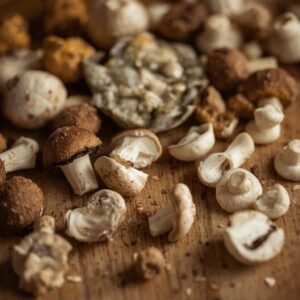
Wild Mushrooms
A mix of wild mushrooms gives the pizza more character. Chanterelles bring a delicate earthy quality. Morels offer a deeper savory note. Oyster mushrooms become pleasantly crisp around the edges. Black trumpets add a strong mushroom aroma. Meanwhile, shiitake mushrooms and cremini mushrooms provide a firm texture. Portobello mushrooms are useful when larger pieces are wanted. A few big mushrooms can also be sliced into attractive pieces for the topping.
Beech and Shimeji Mushrooms
Beech mushroom varieties are another useful option for a mixed mushroom topping. Brown beech mushroom pieces can be sliced thinly before cooking. White beech mushrooms can also add texture. In stores, they may simply be labeled as beech mushrooms. Shimeji mushroom varieties are especially useful when small, firm pieces are preferred. These mushrooms can be combined with other varieties without changing the basic cooking method.
Mushrooms to Use Carefully
White button mushrooms can work, but they usually have a milder flavor. Therefore, they benefit from strong browning and fresh herbs. Large mushroom caps should be sliced before cooking. This helps them brown more evenly. Cooks who already enjoy a mushroom side dish can use the same browning technique here. The key is keeping the pan uncrowded so the mushrooms have enough space to release moisture.
Ingredients for Crispy Wild Mushroom Pizza
Pizza Dough
A good crust begins with suitable dough. Pizza flour can create a tender, flexible base. Bread flour for pizza can provide more chew and structure. The best flour for pizza dough depends on the desired crust. Some cooks prefer flour for pizza dough with stronger gluten development. Others prefer pizza dough using 00 flour for a softer Italian-style texture. A 00 flour pizza dough can work especially well for a thin, blistered crust.
Cheese
Fontina is useful because it melts into creamy pools. Parmesan adds a sharp flavor that balances the mushrooms. Mozzarella can also be included when a softer cheese flavor is preferred. The best mozzarella for pizza depends on how rich and mild the finished pizza should taste. A small amount of feta cheese pizza-style topping can add a salty contrast. Still, the main cheese should support rather than overpower the mushrooms.
Aromatics and Herbs
Garlic adds a strong savory layer without requiring a heavy sauce. Olive oil helps the crust brown while carrying the flavor of the herbs. Fresh herbs can include parsley, thyme, rosemary, or another mild herb. The combination gives the pizza a fresh aroma. Garlic pizza lovers can also increase the garlic slightly. However, too much garlic may hide the earthy flavor of the mushrooms.
Preparing the Mushrooms
How to Saute Mushrooms Properly
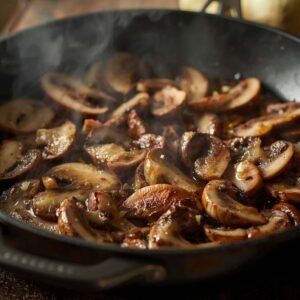
Learning how to sautee mushrooms is useful for many recipes, not only pizza. The pan should be hot before the mushrooms enter. They should also be cooked in batches when the pan is crowded. This allows the pieces to brown instead of steaming. The same approach works for sauteed crimini mushrooms, oyster mushrooms, shiitake mushrooms, and mixed wild varieties. Once browned, the mushrooms should be set aside until the pizza is assembled.
Why Batches Matter
Cooking mushrooms in batches takes a little extra time, but the texture improves greatly. First, the mushrooms release water. Next, the moisture evaporates. Finally, the exposed surfaces begin to brown. This creates the caramelization that gives the topping its deep flavor. A crowded pan cannot achieve the same result as easily. Therefore, cooks should resist adding every mushroom at once.
Shaping the Pizza Dough
Building the Base
The dough should be gently stretched into a roughly 12-inch circle. It should remain slightly thicker around the edge. That border becomes the crust during baking. A chewy pizza crust works particularly well with crisp mushrooms because the two textures contrast. A crusty pizza can also be achieved by using a properly heated baking surface. The dough should not be overloaded because excessive toppings can prevent the center from cooking evenly.
Different Dough Styles
A New York style pizza crust is usually wider and flexible, while a neapolitan style pizza crust tends to be thinner with a puffy edge. An italian new york style pizza dough combines ideas from both styles. A neapolitan pizza flour can help create a delicate crust when the dough is handled gently. Meanwhile, a thick crust pizza gives more room for toppings. Each style changes the final texture without changing the mushroom preparation.
Working With Homemade Dough
Some cooks prefer to knead pizza dough from scratch. Others use a prepared dough for convenience. When learning how to make pizza with dough, the most important step is avoiding excessive handling. The dough should remain relaxed enough to stretch. A pizza dough recipe without rising can save time, although a longer fermentation can create more flavor. A no rise pizza base is useful when dinner needs to come together quickly.
Building the Pizza
Adding the Toppings
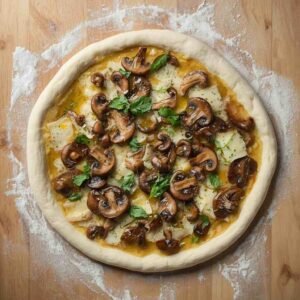
The dough should first receive a light coating of olive oil. Garlic and fresh herbs can then be scattered across the surface. Fontina and Parmesan should follow. Finally, the browned mushrooms should be distributed evenly. This creates a balanced list of pizza toppings without making the pizza too heavy. Popular pizza toppings often include meat and vegetables, but a mushroom-focused pizza can be satisfying without either.
Mushroom Pizza Toppings Ideas
There are many pizza toppings ideas, but mushrooms work especially well with ingredients that add contrast. Red onion pizza combinations can add sweetness. Spinach pizza combinations can add a fresh vegetable note. A jalapeno pizza variation can bring heat. Mushroom bacon can provide a smoky flavor. These are also useful pizza fillings ideas when creating other homemade pizza toppings. However, the wild mushrooms should remain the main feature.
Baking the Pizza
How to Bake Pizza
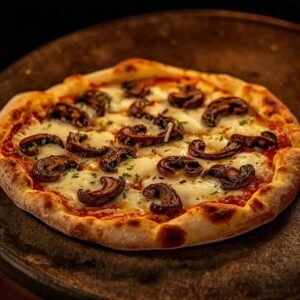
When learning how to bake pizza, a fully heated oven is important. The pizza should enter a hot oven so the dough begins cooking immediately. A suitable oven temp for pizza depends on the equipment and dough style. The pizza in the oven should develop a browned edge and firm base. After the initial bake, a short broiling step can create dark spots on the crust and extra color on the cheese.
Pizza Oven Options
Traditional pizza oven recipes often use very high heat. A home oven can still create excellent results with a preheated baking surface. A homemade pizza on pizza stone can develop a crisp bottom when the stone is properly heated. A pizza in cast iron skillet can also brown beautifully. A pizza cast iron pan provides strong heat retention. Meanwhile, a cast iron pizza pan can work for cooks who prefer a sturdy cooking surface.
Temperature and Timing
The pizza in the oven temp should be high enough to cook the dough quickly without burning the toppings. The exact setting depends on the oven. Therefore, cooks should watch the crust rather than rely only on a timer. A pizza in oven cooking method may take several minutes before broiling. The final broil should be short. It should create charred spots without burning the herbs or cheese.
Choosing the Right Pizza Style
White Pizza
A white pizza sauce can be useful for a richer version. However, olive oil alone keeps the mushroom flavor more noticeable. A pizza white sauce can also be made with dairy and garlic. For another Italian-inspired variation, a pizza bianca recipe provides a simple direction. These approaches show how the same crust can support different pizza flavors.
Other Pizza Comparisons
A pesto pizza recipe adds herbs and nuts, while a caprese pizza uses fresh cheese and tomato. A sausage pizza adds a savory meat component. Pizza sausage can be sliced or crumbled across the surface. A meatball pizza brings a heartier texture. A vodka pizza or vodka sauce pizza adds a richer sauce profile. Pizza and vodka combinations are popular in some American pizza menus, but they create a very different result.
Grilled and Pan-Baked Versions
A pizza on the grill can develop a smoky crust and crisp underside. Some home cooks search for pizza i grill methods when they want an outdoor cooking option. A handmade pan pizza creates a thicker base with a softer interior. A cast iron pan pizza gives the edges extra browning. These styles are useful alternatives when a standard oven is unavailable.
Cheese Choices for Mushroom Pizza
How Cheese Changes the Result
Cheese for pizza should melt well while still allowing the mushroom flavor to remain clear. Fontina gives a creamy texture. Parmesan provides sharpness. Mozzarella creates a familiar stretch. Therefore, cheese on pizzas should be chosen according to the toppings. The question of what kind of cheese goes on pizza has many answers. Likewise, what cheese goes on pizza depends on the desired flavor and texture.
Avoiding Too Much Cheese
Adding too much cheese can make the pizza greasy. It can also cover the mushroom flavor. A balanced cheese pizza cheese combination should therefore use enough cheese for coverage without forming a thick layer. This is especially important when mushrooms are the star ingredient. A small amount of Parmesan can often provide more flavor than a large amount of mild cheese.
Useful Pizza Dough Ideas
Flour Choices
Bread flour, 00 flour, and standard pizza flour can each create different crust textures. A 00 flour pizza base recipe often aims for a soft and flexible dough. A neapolitan pizza flour can support a thin crust. Meanwhile, bread flour can create a stronger chew. Cooks should choose the flour based on their preferred crust rather than assuming one flour works for every pizza.
Easy Dough Alternatives
An active dry yeast dough can be prepared when there is enough time for fermentation. A pizza dough recipe with active dry yeast can produce a flexible homemade base. When time is limited, a no rise pizza base offers convenience. However, each method changes the texture. The important point is to choose a dough that can support the mushroom topping without becoming soggy.
What to Serve With Mushroom Pizza
Fresh Side Dishes
A fresh salad can balance the richness of cheese and mushrooms. Grilled mushrooms are another option for mushroom lovers, although they may be unnecessary when the pizza already contains plenty of mushrooms. A mushroom side dish can instead be served in a smaller portion. Other mushroom recipes, such as mushroom ravioli, can also create a larger Italian-inspired meal.
Pasta Pairings
Mushroom pasta recipes can use similar ingredients, including garlic, olive oil, herbs, and Parmesan. A cream of mushroom pasta creates a richer meal. Cream and mushroom pasta provides another creamy variation. Mushroom ravioli is also a natural pairing for an Italian dinner. A mushroom ravioli recipe can be served separately, while mushroom ravioli sauce can echo the same herbs used on the pizza.
Soups and Other Mushroom Dishes
Mushroom broth can provide a light starter before pizza. Mushroom bisque offers a creamier alternative. A cream of mushroom substitute may also be useful when adapting a soup or sauce recipe. Stuffed mushrooms and cream cheese can serve as an appetizer. These dishes are not necessary for the pizza itself, but they fit a mushroom-focused meal.
Mushroom Recipes Beyond Pizza
Marinated and Stuffed Mushrooms
A marinated mushrooms recipe can provide a bright appetizer before the main course. Filled mushrooms vegan recipes offer another plant-focused option. Stuffed mushrooms near me is also a common local search phrase for people looking for prepared mushroom dishes. These ideas show how versatile mushrooms can be beyond pizza. Still, crisp roasted mushrooms remain especially useful for pizza because they handle high heat well.
Creamy Mushroom Dishes
Mushroom bisque, cream of mushroom pasta, and cream and mushroom pasta all highlight the creamy side of mushrooms. By contrast, the pizza focuses on browning and texture. This difference makes the pizza feel lighter and more rustic. It also explains why the recipe avoids a heavy cream sauce. The goal is to let the mushrooms taste concentrated rather than diluted.
More Pizza Topping Ideas
Vegetable Combinations
Red onion, spinach, jalapeno, and mushrooms can create different flavor combinations. A tomato pizza adds acidity, while pesto can add herbal richness. Fresh pizza toppings can also include seasonal vegetables. Homemade pizza toppings should be selected with moisture in mind. Ingredients that release too much liquid may soften the crust. Therefore, fewer well-prepared toppings can produce a better result than a crowded pizza.
Meat-Based Variations
Sausage for pizza is a classic topping because it adds salt and savory flavor. Pizza sausage can be paired with mushrooms when a meatier version is wanted. Mushroom bacon offers a smoky direction. A meatball pizza variation creates an even heartier meal. However, these toppings should be used sparingly. The wild mushroom topping should still remain visible and flavorful.
A Note About Unusual Search Terms
Related Search Language
Recipe searches can include unusual phrases such as pizza d and mus pasta. These phrases may appear in broader pizza and mushroom searches, even when they do not describe this exact recipe. Related searches can also include big mushroom and mushroom pasta recipe. These terms are useful for understanding the wider topic around mushrooms, pasta, pizza, and home cooking. However, the main recipe remains focused on crispy wild mushrooms and pizza.
How to Keep the Crust Crisp
Moisture Control
The biggest threat to a crisp crust is excess moisture. Mushrooms should therefore be browned before they reach the dough. Sauce should remain light, and cheese should not be piled too heavily. The pizza should also be baked on a properly heated surface. These steps help preserve the crust while allowing the mushrooms to stay flavorful and slightly crisp.
Reheating Leftovers
Leftover slices should not be reheated in a microwave when crispness matters. A toaster oven can warm the pizza while helping the crust stay firm. An air fryer can also restore crisp edges and melted cheese. The reheating process should be brief. This helps prevent the crust from becoming dry while bringing the topping back to a pleasant texture.
Why This Pizza Works for Home Cooks
Simple Ingredients, Strong Results
This recipe does not require an oversized ingredient list. Mushrooms, cheese, garlic, herbs, olive oil, and dough create the main structure. The cooking technique does most of the work. That makes the recipe approachable for weeknight dinners. It also allows home cooks to adjust the mushroom varieties based on what is available locally.
A Rustic Italian Influence
The combination of mushrooms, olive oil, herbs, and cheese reflects the simplicity often associated with Italian cooking. The inspiration connects with Italy and Italian cuisine without requiring a complicated traditional sauce. The result feels rustic rather than formal. It also gives cooks plenty of room to use seasonal mushrooms while keeping the basic method consistent.
Frequently Asked Questions
What mushrooms work best on pizza?
Wild mushrooms are excellent because they offer different textures and flavors. Chanterelles, morels, oyster mushrooms, black trumpets, shiitake mushrooms, cremini mushrooms, and portobello mushrooms all work well. Beech mushrooms and shimeji mushrooms are also useful. When only common mushrooms are available, button mushrooms can still work when browned thoroughly.
Should mushrooms be cooked before going on pizza?
Yes, cooking them first usually creates a better texture. Raw mushrooms contain significant moisture. That moisture can release during baking and soften the crust. Browning the mushrooms first removes much of that water. It also creates deeper flavor through caramelization. Therefore, pre-cooking is especially helpful for a crispy mushroom topping.
Can this pizza be made without tomato sauce?
Yes. Olive oil, garlic, herbs, Fontina, and Parmesan create a flavorful base without tomato sauce. A light white pizza sauce can also be used. However, a sauce-free approach allows the earthy mushroom flavor to remain more noticeable. This style is especially useful when the mushrooms are fresh and strongly flavored.
Can a cast iron pan be used?
Yes. A cast iron pizza pan or skillet can provide strong heat and excellent browning. A pizza in cast iron skillet can develop crisp edges because the pan retains heat well. The dough should still be stretched evenly. The pan should also be properly preheated when the recipe method calls for it.
What is the best way to reheat mushroom pizza?
A toaster oven or air fryer works well for reheating. Both methods can restore some of the original crust texture. The pizza should be heated until the cheese becomes warm and the edges become crisp. A microwave is faster, but it usually produces a softer crust. Therefore, dry heat is preferable when texture matters.
Conclusion: A Better Way to Enjoy Mushroom Pizza
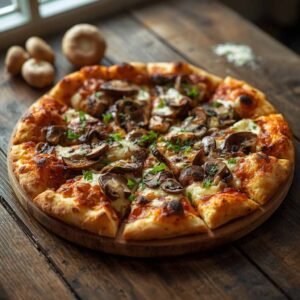
Make the Mushrooms the Star
Crispy wild mushrooms can transform a simple pizza into a deeply flavorful meal. The key is straightforward: brown the mushrooms first, use a balanced amount of cheese, and bake the dough in a hot oven. Garlic, olive oil, Parmesan, Fontina, and fresh herbs then build layers without hiding the mushrooms. This mushroom pizza is rustic, crisp, and flexible enough for home kitchens.
Try the Recipe at Home
Home cooks can start with the mushrooms available at their local grocery store. They can then adjust the cheese, herbs, and crust style to suit their preferences. For more food ideas and recipe inspiration, foodsee.online can be used as an additional resource. The finished pizza works for a relaxed family dinner, weekend cooking project, or casual gathering with friends.
Recipe Summary
The Core Method
Start with pizza dough and prepare a hot oven. Slice the mushrooms and cook them in batches until browned and crisp. Stretch the dough into a 12-inch round. Brush it lightly with olive oil. Add garlic, herbs, Fontina, Parmesan, and the cooked mushrooms. Bake until the crust is browned and blistered. Finish with a short broil when extra char is desired.
The Final Result
The finished pizza should have a crisp edge, chewy center, browned mushrooms, melted cheese, and fresh herbal aroma. The combination delivers earthy flavor without relying on a heavy sauce. With the right heat and careful mushroom preparation, the result can feel restaurant-style while remaining practical for a home kitchen.